

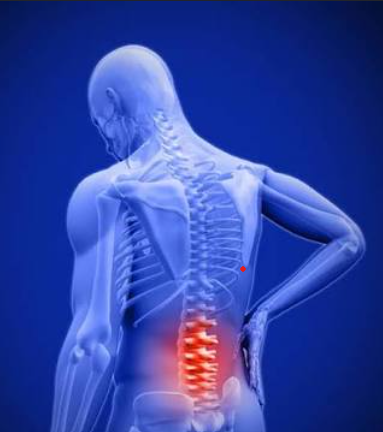
Back pain
Back pain is discomfort or pain felt anywhere along the back, from the neck to the lower back. It may result from muscle strain, poor posture, injuries, or spinal conditions. Most cases improve with appropriate self-care, but persistent or severe pain may require medical evaluation.
On this page
Key facts
- Specialists to consult
About Back pain
What is Back Pain?
Back pain is a common condition that affects the muscles, ligaments, joints, discs, or nerves of the back. It may range from mild aching to sharp or severe pain and can occur in the upper, middle, or lower back. Back pain may develop suddenly after an injury or gradually due to posture, repetitive movements, or underlying medical conditions.
Common symptoms
Aching, stiffness, or soreness in the back
Sharp or shooting pain
Muscle tightness or spasms
Difficulty bending, twisting, or standing upright
Pain that worsens with movement or prolonged sitting
Pain spreading to the buttocks or legs
Tingling, numbness, or weakness when nerves are affected
Common causes
Muscle or ligament strain
Poor posture or prolonged sitting
Heavy lifting or sudden twisting movements
Injuries from falls or accidents
Herniated or bulging spinal discs
Age-related changes in the spine
Arthritis or other spinal conditions
Less commonly, infections, fractures, or other underlying medical conditions
Care at home
Stay gently active and avoid prolonged bed rest.
Apply a wrapped cold pack during the first day or two after a strain; heat may help relieve muscle stiffness.
Maintain good posture when sitting, standing, and working.
Avoid heavy lifting and movements that worsen the pain.
Try gentle stretching or walking as tolerated.
Use pain-relief medicines only according to label directions and after checking whether they are suitable for you.
Seek professional guidance if pain persists or interferes with daily activities.
When to consult a healthcare professional
Back pain lasts several weeks or does not improve with self-care.
Pain is severe, worsening, or repeatedly returns.
Pain spreads down the leg, especially below the knee.
You experience persistent numbness, tingling, or weakness.
Back pain occurs with fever, unexplained weight loss, or a history of cancer.
Pain begins after a significant fall or accident.
Seek emergency medical care immediately if back pain is accompanied by new difficulty controlling your bladder or bowels, inability to urinate, numbness around the groin or buttocks, or sudden or progressive weakness in both legs. These symptoms may indicate serious nerve compression.
Medicines for Back pain
Prices for Alappuzha
No medicines for Back pain in Alappuzha yet.
PharmacyThis information is for awareness only. Talk to a doctor before starting or stopping any medicine.