

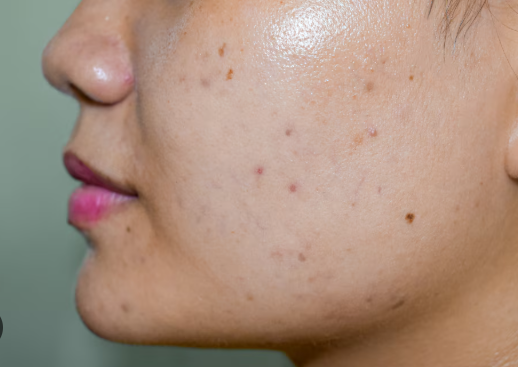
Dark patches on skin
Dark patches on the skin are areas that appear darker than the surrounding skin due to increased pigmentation. They may develop because of sun exposure, hormonal changes, acne, inflammation, or certain skin conditions. Treatment depends on the underlying cause.
On this page
Key facts
- Specialists to consult
About Dark patches on skin
What are Dark Patches on Skin?
Dark patches on the skin, also known as hyperpigmentation, occur when certain areas of the skin produce excess melanin, the pigment responsible for skin color. These patches may appear on the face, neck, hands, or other parts of the body. They are often harmless, but persistent or unusual changes in skin color may require medical evaluation.
Common symptoms
Brown, black, or grayish patches on the skin
Areas of skin darker than the surrounding skin
Flat patches with clearly defined or irregular edges
Dark marks remaining after acne, rashes, or injuries
Patches on sun-exposed areas, such as the face and hands
Darkening around the neck, underarms, or skin folds in some cases
Common causes
Excessive exposure to sunlight
Hormonal changes, including those associated with pregnancy
Dark marks left after acne, eczema, or skin injuries
Skin irritation caused by cosmetics or certain skincare products
Medical conditions such as melasma or acanthosis nigricans
Certain medicines
Genetic factors and natural changes in skin pigmentation
Care at home
Apply broad-spectrum sunscreen with SPF 30 or higher daily to exposed skin.
Wear protective clothing and limit excessive sun exposure.
Use gentle cleansers and fragrance-free moisturizers.
Avoid picking, scratching, or rubbing affected areas.
Avoid harsh skin-lightening products, unregulated bleaching creams, and remedies that may irritate the skin.
Introduce skincare products gradually and discontinue any product that causes irritation.
Be patient, as some pigmentation may take weeks or months to fade.
When to consult a healthcare professional
Dark patches appear suddenly, spread quickly, or change in size, shape, or color.
A patch becomes painful, itchy, bleeds, or develops an unusual texture.
Darkening occurs around the neck or underarms, particularly with thickened, velvety skin.
Pigmentation persists or does not improve with appropriate skincare.
Dark patches develop after starting a new medicine.
You are unsure of the cause or are concerned about the appearance of the patches.
Medicines for Dark patches on skin
Prices for Alappuzha
No medicines for Dark patches on skin in Alappuzha yet.
PharmacyThis information is for awareness only. Talk to a doctor before starting or stopping any medicine.