

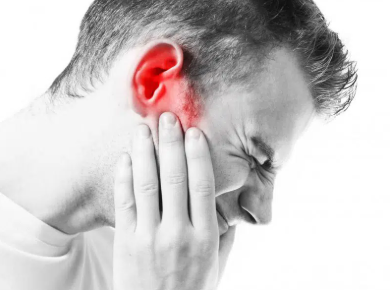
Ear pain
Ear pain is discomfort or pain in one or both ears. It may be caused by ear infections, earwax buildup, pressure changes, or irritation. The pain can range from mild discomfort to severe pain and may occur with hearing changes, fever, or fluid discharge.
On this page
Key facts
- Specialists to consult
About Ear pain
What is Ear Pain?
Ear pain, also known as otalgia, is pain or discomfort in one or both ears. It can affect the outer, middle, or inner ear, or result from problems in nearby areas such as the teeth, jaw, or throat. Ear pain may develop suddenly or gradually and can affect people of all ages. The cause may range from a minor irritation to an infection that requires medical treatment.
Common symptoms
Pain or discomfort in one or both ears
A feeling of fullness or pressure inside the ear
Reduced or muffled hearing
Itching or irritation in the ear
Fluid or discharge from the ear
Fever, especially with an ear infection
Ringing in the ear
Pain that worsens when chewing or swallowing
Common causes
Middle or outer ear infections
Earwax buildup
Water trapped in the ear
Changes in air pressure during flights or travel
Irritation or injury from cotton swabs or other objects
Throat infections or the common cold
Dental problems or jaw joint disorders
Eardrum injury or rupture
Care at home
Apply a warm cloth to the affected ear to help relieve discomfort.
Keep the ear dry and avoid swimming while symptoms persist.
Avoid inserting cotton swabs, fingers, or other objects into the ear.
Do not use ear drops, oils, or home remedies unless advised by a healthcare professional, especially if an eardrum injury is possible.
Use suitable pain-relief medicine according to the label and professional advice.
Avoid loud noises and protect the ear from further irritation.
Seek medical advice if the pain persists, worsens, or repeatedly returns.
When to consult a healthcare professional
Ear pain lasts more than two to three days or becomes worse.
You experience fever, persistent discharge, or reduced hearing.
The ear becomes swollen or tender around the outside.
Ear pain occurs repeatedly or interferes with sleep and daily activities.
A child has persistent ear pain or appears unusually unwell.
Seek urgent medical care if ear pain is accompanied by sudden hearing loss, severe dizziness, facial weakness, or swelling and redness behind the ear. Seek immediate care if there is a serious ear injury or clear fluid or blood draining from the ear after a head injury.
Medicines for Ear pain
Prices for Alappuzha
No medicines for Ear pain in Alappuzha yet.
PharmacyThis information is for awareness only. Talk to a doctor before starting or stopping any medicine.