

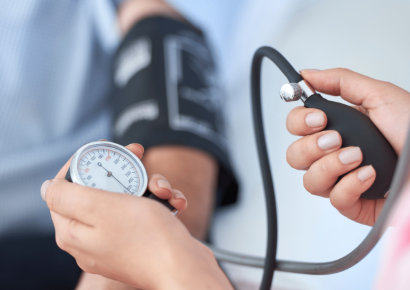
High blood pressure
High blood pressure, also known as hypertension, is a condition in which the force of blood against the walls of the arteries remains consistently elevated. It often has no noticeable symptoms but can increase the risk of heart disease, stroke, and kidney problems if left uncontrolled.
On this page
Key facts
- Specialists to consult
About High blood pressure
What is High Blood Pressure?
High blood pressure, medically known as hypertension, occurs when blood pushes against artery walls with persistently excessive force. It is usually diagnosed through repeated blood pressure measurements. Although many people have no symptoms, uncontrolled hypertension can damage the heart, brain, kidneys, and blood vessels over time. Regular monitoring and appropriate treatment help reduce the risk of complications.
Common symptoms
Often no noticeable symptoms
Headaches in some cases
Dizziness
Blurred vision
Shortness of breath in severe cases
Chest discomfort in some cases
Common causes
Family history of high blood pressure
Increasing age
High salt intake
Being overweight or physically inactive
Smoking or excessive alcohol consumption
Long-term stress and poor sleep
Kidney disease or hormonal disorders
Certain medicines, including some anti-inflammatory drugs
Care at home
Check blood pressure regularly using a properly fitted monitor.
Reduce salt intake and follow a balanced diet rich in fruits, vegetables, and whole grains.
Engage in regular physical activity as advised by your healthcare professional.
Maintain a healthy weight.
Avoid smoking and limit or avoid alcohol.
Get adequate sleep and practise stress-management techniques.
Take prescribed blood pressure medicines consistently and do not stop or change doses without medical advice.
When to consult a healthcare professional
Blood pressure readings repeatedly remain above your recommended target.
You develop persistent headaches, dizziness, or blurred vision.
You have swelling, unusual breathlessness, or other new symptoms.
You are pregnant and have elevated blood pressure.
You need help understanding your readings or adjusting your treatment plan.
Seek emergency medical care if your blood pressure is above 180/120 mmHg and you have chest pain, shortness of breath, weakness, numbness, vision changes, or difficulty speaking. If a reading is above 180/120 mmHg without these symptoms, wait at least one minute and measure again; if it remains that high, contact a healthcare professional immediately.
Medicines for High blood pressure
Prices for Alappuzha
No medicines for High blood pressure in Alappuzha yet.
PharmacyThis information is for awareness only. Talk to a doctor before starting or stopping any medicine.