

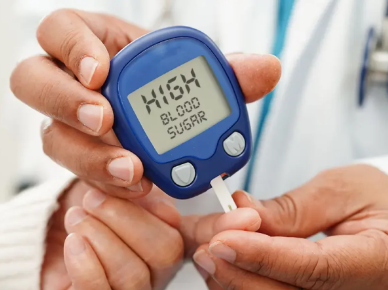
High blood sugar
High blood sugar, also known as hyperglycemia, occurs when the level of glucose in the blood is higher than normal. It is commonly associated with diabetes and may result from insufficient insulin, illness, stress, or certain medicines. If left uncontrolled, it can lead to serious health complications.
On this page
Key facts
- Specialists to consult
About High blood sugar
What is High Blood Sugar?
High blood sugar, medically known as hyperglycemia, occurs when too much glucose builds up in the bloodstream. It commonly affects people with diabetes when the body does not produce enough insulin or cannot use insulin effectively. High blood sugar may develop gradually and sometimes causes no noticeable symptoms. Regular monitoring and appropriate management help reduce the risk of complications.
Common symptoms
Increased thirst
Frequent urination
Increased hunger
Fatigue or weakness
Blurred vision
Dry mouth
Unintentional weight loss
Slow-healing cuts or wounds
Recurrent infections
Common causes
Diabetes or inadequate diabetes management
Missed doses of prescribed diabetes medicines or insulin
Eating more carbohydrates than usual without appropriate treatment adjustments
Physical or emotional stress
Infections or other illnesses
Reduced physical activity
Certain medicines, including corticosteroids
Care at home
Monitor blood glucose levels as recommended by your healthcare professional.
Take prescribed diabetes medicines or insulin as directed; do not change doses without medical advice.
Drink water regularly unless you have been advised to restrict fluids.
Follow a balanced meal plan and manage carbohydrate intake according to your healthcare plan.
Engage in regular physical activity when it is safe to do so.
Keep a record of blood sugar readings, meals, medicines, and symptoms.
If blood sugar is high during illness, follow your diabetes sick-day plan and check ketones if advised, especially if you have type 1 diabetes.
Avoid strenuous exercise when ketones are elevated or when you feel seriously unwell.
When to consult a healthcare professional
Blood sugar readings remain above your target range or repeatedly become elevated.
You experience increased thirst, frequent urination, blurred vision, or unexplained weight loss.
You have persistent high readings during an illness.
You are newly diagnosed with high blood sugar or are unsure how to manage it.
You are pregnant and have elevated blood glucose levels.
Medicines for High blood sugar
Prices for Alappuzha
No medicines for High blood sugar in Alappuzha yet.
PharmacyThis information is for awareness only. Talk to a doctor before starting or stopping any medicine.