

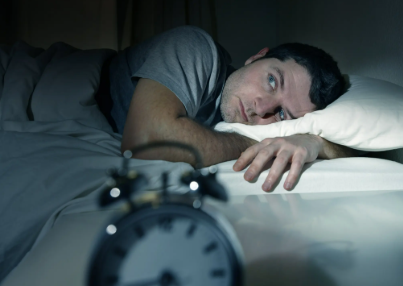
Sleep problems
Sleep problems are difficulties with falling asleep, staying asleep, or getting enough restful sleep. They may occur due to stress, lifestyle habits, medical conditions, or sleep disorders. Persistent sleep problems can affect mood, concentration, energy levels, and overall health.
On this page
Key facts
- Specialists to consult
About Sleep problems
What are Sleep Problems?
Sleep problems refer to difficulties that affect the quality, duration, or timing of sleep. These may include trouble falling asleep, waking up frequently during the night, waking too early, or feeling tired despite getting enough sleep. Occasional sleep disturbances are common, but persistent problems may be associated with insomnia or other sleep disorders. Identifying the underlying cause can help improve sleep quality and overall well-being.
Common symptoms
Difficulty falling asleep at bedtime
Waking up frequently during the night
Waking up too early and being unable to return to sleep
Feeling tired or unrefreshed after waking up
Daytime sleepiness or low energy
Difficulty concentrating or remembering things
Irritability or changes in mood
Reduced productivity during daily activities
Snoring or interrupted breathing during sleep
Headaches or difficulty functioning after poor sleep
Common causes
Stress, anxiety, or emotional difficulties
Irregular sleep schedules
Excessive screen time before bedtime
Caffeine, nicotine, or alcohol use
Noise, light, or an uncomfortable sleeping environment
Pain or other medical conditions
Certain medications
Hormonal changes
Sleep disorders, such as insomnia or sleep apnea
Shift work or frequent travel across time zones
Care at home
Maintain a consistent bedtime and wake-up time every day.
Create a quiet, dark, comfortable sleeping environment.
Reduce screen use before bedtime.
Avoid caffeine in the afternoon and evening.
Limit alcohol and nicotine, especially near bedtime.
Exercise regularly, but avoid intense activity close to bedtime if it affects your sleep.
Establish a relaxing bedtime routine, such as reading or taking a warm bath.
Avoid large meals immediately before sleeping.
Limit long or late-afternoon naps if they interfere with nighttime sleep.
Avoid taking sleeping pills or sleep supplements without appropriate medical advice.
When to consult a healthcare professional
Sleep problems occur regularly and continue for several weeks.
Poor sleep affects your concentration, mood, work, studies, or daily activities.
You experience persistent daytime sleepiness despite adequate time in bed.
You snore loudly, gasp, or have pauses in breathing during sleep.
You experience frequent nighttime awakenings, unusual movements, or persistent nightmares.
Sleep difficulties occur alongside ongoing pain, anxiety, or other health concerns.
Lifestyle changes do not improve your sleep.
Seek urgent medical care if sleep deprivation causes severe confusion, hallucinations, or an inability to remain safe. If sleep problems occur alongside serious breathing difficulties or chest pain, seek emergency medical attention.
Medicines for Sleep problems
Prices for Alappuzha
No medicines for Sleep problems in Alappuzha yet.
PharmacyThis information is for awareness only. Talk to a doctor before starting or stopping any medicine.