

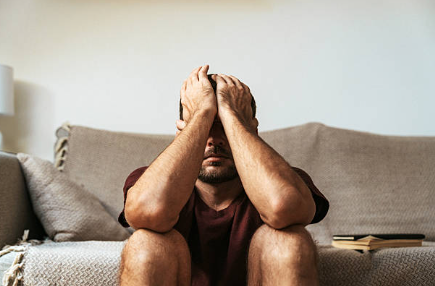
Low mood
Low mood is a feeling of sadness, discouragement, or reduced motivation that can affect a person's thoughts, energy, and daily activities. It may occur due to stress, life changes, poor sleep, or other factors. If low mood persists, worsens, or interferes with everyday life, it may be associated with depression and should be assessed by a healthcare professional.
On this page
Key facts
- Specialists to consult
About Low mood
What is Low Mood?
Low mood refers to feeling sad, down, discouraged, or less interested in activities that usually bring enjoyment. It can occur temporarily in response to stressful events, personal difficulties, or changes in daily routines. Low mood may improve with rest, social support, and time. However, when these feelings last for a prolonged period, occur most days, or affect everyday functioning, they may be a sign of depression or another condition that needs professional attention.
Common symptoms
Feeling sad, unhappy, or discouraged
Reduced interest in hobbies or usual activities
Low energy or persistent tiredness
Difficulty concentrating or making decisions
Changes in sleep patterns
Changes in appetite
Feeling irritable, worried, or emotionally overwhelmed
Reduced motivation to complete daily tasks
Withdrawing from friends, family, or social activities
Feelings of hopelessness or low self-esteem
Common causes
Work, academic, or financial stress
Relationship difficulties or family problems
Grief, loss, or other major life changes
Poor sleep or ongoing fatigue
Social isolation or lack of support
Hormonal changes
Certain medical conditions, including thyroid disorders
Medication side effects
Depression or other mental health conditions
Care at home
Maintain a regular sleep schedule and aim for adequate rest.
Eat balanced meals and stay hydrated.
Try gentle physical activity, such as walking outdoors.
Set small, realistic goals for everyday tasks.
Stay connected with trusted friends or family members.
Make time for enjoyable or relaxing activities, even if motivation is low.
Avoid relying on alcohol or other substances to cope with difficult feelings.
Consider speaking with a counsellor or mental health professional if low mood persists or affects daily life.
When to consult a healthcare professional
Low mood lasts for two weeks or longer.
Feelings of sadness or hopelessness are becoming more intense.
You lose interest in activities you usually enjoy.
Changes in sleep, appetite, energy, or concentration affect daily life.
You struggle to manage work, studies, relationships, or personal responsibilities.
Self-care and support from others do not provide enough relief.
Seek urgent support if you have thoughts of self-harm or suicide, or feel unable to keep yourself safe. Contact emergency services or a mental health crisis service, and reach out to a trusted person who can help you access immediate support.
Medicines for Low mood
Prices for Alappuzha
No medicines for Low mood in Alappuzha yet.
PharmacyThis information is for awareness only. Talk to a doctor before starting or stopping any medicine.