

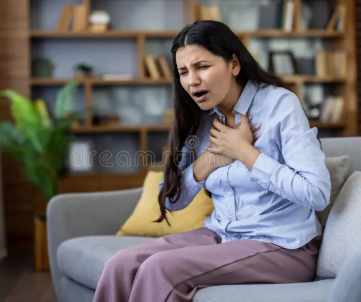
Breathlessness
Breathlessness, also known as shortness of breath or dyspnea, is the feeling of difficulty breathing or not getting enough air. It may occur due to physical exertion, asthma, respiratory infections, heart conditions, or other medical problems. Sudden or severe breathlessness requires immediate medical attention.
On this page
Key facts
- Specialists to consult
About Breathlessness
What is Breathlessness?
Breathlessness, medically known as dyspnea, is a sensation of difficult, uncomfortable, or insufficient breathing. It may occur during physical activity or even while resting, depending on the underlying cause. Although mild breathlessness can sometimes result from exertion, persistent or unexplained breathing difficulty may indicate a lung, heart, or other medical condition that requires evaluation.
Common symptoms
Difficulty breathing or feeling short of breath
Rapid or shallow breathing
A feeling of tightness in the chest
Difficulty taking a deep breath
Wheezing or noisy breathing
Tiredness during physical activity
Difficulty speaking in full sentences when symptoms are severe
Common causes
Asthma or chronic lung conditions
Respiratory infections, such as pneumonia
Heart conditions
Anemia or low levels of hemoglobin
Allergic reactions
Anxiety or panic attacks
Physical exertion or reduced fitness
Blood clots in the lungs or other serious medical conditions
Care at home
Stop physical activity and rest in a comfortable, upright position.
Loosen tight clothing and try to remain calm.
Avoid smoke, dust, strong fumes, and other breathing irritants.
Use prescribed inhalers or other respiratory medicines according to your healthcare professional's instructions.
Avoid strenuous activity until the cause of unexplained breathlessness has been assessed.
Do not start new medicines or rely on home remedies for persistent breathing difficulties.
When to consult a healthcare professional
Breathlessness occurs repeatedly or worsens over time.
You experience shortness of breath during routine activities or while resting.
Breathing difficulty occurs with fever, persistent cough, wheezing, or leg swelling.
You notice unusual tiredness, palpitations, or reduced ability to exercise.
You have an existing heart or lung condition and your symptoms change.
Seek emergency medical care immediately if breathlessness is sudden or severe, you cannot speak in full sentences, your lips or skin appear bluish or gray, or you experience chest pain, fainting, confusion, or swelling of the face or throat.
Medicines for Breathlessness
Prices for Alappuzha
No medicines for Breathlessness in Alappuzha yet.
PharmacyThis information is for awareness only. Talk to a doctor before starting or stopping any medicine.