

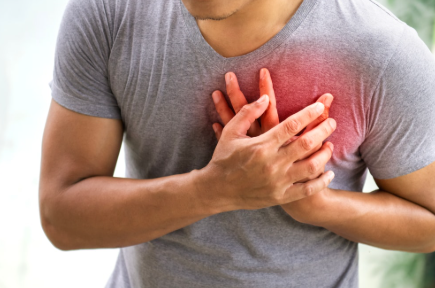
Chest pain
Chest pain is discomfort or pain felt in the chest that may range from mild pressure to severe tightness or burning. It can be caused by muscle strain, acid reflux, lung conditions, or heart problems. New, unexplained, or severe chest pain may indicate a medical emergency.
On this page
Key facts
- Specialists to consult
About Chest pain
What is Chest Pain?
Chest pain is discomfort that occurs anywhere in the chest, between the neck and upper abdomen. It may feel sharp, dull, burning, tight, or like pressure and can spread to the arms, shoulders, back, neck, or jaw. Although some cases result from minor conditions, chest pain can also be a sign of a serious heart or lung problem and should never be ignored.
Common symptoms
Tightness, pressure, or heaviness in the chest
Sharp, aching, or burning chest discomfort
Pain that spreads to the arms, shoulders, back, neck, or jaw
Shortness of breath
Sweating or dizziness
Nausea or vomiting
Discomfort that worsens with movement, deep breathing, or exertion
Common causes
Heart conditions, including angina or a heart attack
Acid reflux or heartburn
Muscle strain or inflammation of the chest wall
Lung conditions, including infections or blood clots
Anxiety or panic attacks
Inflammation around the lungs or heart
Injuries to the chest
Care at home
Stop physical activity and rest while assessing the symptoms.
Do not ignore new, unexplained, or persistent chest pain.
Avoid strenuous exercise until the cause has been assessed.
Follow prescribed treatment for any known medical condition.
Do not self-diagnose chest pain or rely on home remedies when the cause is unclear.
When to consult a healthcare professional
Chest pain is new, unexplained, recurring, or persistent.
Pain occurs during physical activity or becomes worse over time.
Chest discomfort occurs with fever, cough, or pain during breathing.
You have a history of heart disease, high blood pressure, diabetes, or other cardiovascular risk factors.
Seek emergency medical care immediately if chest pain is severe, feels like pressure or squeezing, lasts more than a few minutes or returns, or occurs with shortness of breath, cold sweating, nausea, fainting, or pain spreading to the arm, back, neck, or jaw. Do not drive yourself to the hospital if a heart attack is suspected.
Medicines for Chest pain
Prices for Alappuzha
No medicines for Chest pain in Alappuzha yet.
PharmacyThis information is for awareness only. Talk to a doctor before starting or stopping any medicine.