

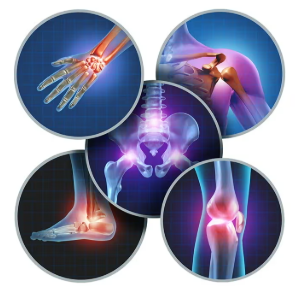
Joint pain
Joint pain is discomfort, aching, stiffness, or swelling in one or more joints. It may result from injury, overuse, inflammation, or conditions such as arthritis. Symptoms can range from mild discomfort to severe pain that affects daily activities.
On this page
Key facts
- Specialists to consult
About Joint pain
What is Joint Pain?
Joint pain is discomfort or pain in the areas where two or more bones meet, such as the knees, shoulders, hips, wrists, or fingers. It may occur suddenly after an injury or develop gradually over time. Joint pain can affect one joint or several joints and may be accompanied by stiffness, swelling, redness, or difficulty moving.
Common symptoms
Aching, sharp, or throbbing pain in a joint
Stiffness, especially after resting or waking up
Swelling around the affected joint
Redness or warmth around the joint
Reduced flexibility or difficulty moving the joint
Pain that worsens with movement or activity
Difficulty walking, climbing stairs, or performing everyday tasks
Common causes
Arthritis, including osteoarthritis and rheumatoid arthritis
Joint injuries, sprains, or strains
Repetitive movements or overuse
Inflammation of tendons or surrounding tissues
Gout caused by uric acid crystal buildup
Joint infections
Age-related wear and tear
Certain autoimmune or other underlying medical conditions
Care at home
Rest the affected joint and avoid activities that worsen the pain.
Apply a cold pack wrapped in a towel to help reduce pain and swelling.
Use gentle movement and stretching as tolerated to prevent stiffness.
Avoid putting excessive weight or pressure on the painful joint.
Maintain a healthy weight to reduce stress on weight-bearing joints.
Use pain-relief medicines only as directed and after checking whether they are suitable for you.
Seek medical advice if the pain persists, worsens, or affects daily activities.
When to consult a healthcare professional
Joint pain persists for several days without improvement or keeps returning.
Pain interferes with walking, sleeping, or everyday activities.
You experience persistent swelling, stiffness, or reduced movement.
Several joints become painful or symptoms are accompanied by unexplained fatigue or fever.
Joint pain begins after an injury and does not improve.
Seek urgent medical care if a joint suddenly becomes very painful, swollen, hot, or red, especially when accompanied by fever or chills, as this may indicate a joint infection. Seek prompt care for severe pain after an injury, visible deformity, or inability to bear weight.
Medicines for Joint pain
Prices for Alappuzha
No medicines for Joint pain in Alappuzha yet.
PharmacyThis information is for awareness only. Talk to a doctor before starting or stopping any medicine.