

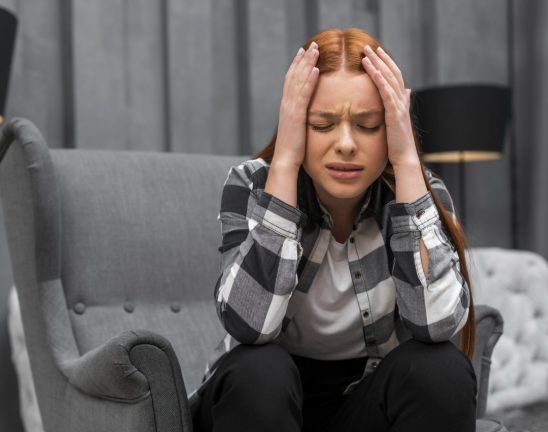
Anxiety
Anxiety is a feeling of worry, nervousness, or fear that may occur in response to stress or uncertain situations. Occasional anxiety is common, but persistent or excessive anxiety can affect sleep, concentration, relationships, and daily activities. Anxiety disorders may require professional support and treatment.
On this page
Key facts
- Specialists to consult
About Anxiety
What is Anxiety?
Anxiety is the body's natural response to stress or perceived danger. It can cause feelings of worry, fear, uneasiness, or tension and may also produce physical symptoms such as a racing heartbeat or sweating. While occasional anxiety is normal, anxiety that is intense, difficult to control, or persistent may indicate an anxiety disorder. With appropriate support and treatment, many people can manage their symptoms effectively.
Common symptoms
Excessive worry or fear
Feeling restless, nervous, or on edge
Difficulty concentrating
Trouble falling asleep or staying asleep
Rapid heartbeat or palpitations
Sweating, trembling, or shaking
Muscle tension or headaches
Shortness of breath or a feeling of tightness in the chest
Stomach discomfort, nausea, or digestive problems
Avoiding situations that cause fear or worry
Common causes
Work, academic, or financial stress
Personal, family, or relationship difficulties
Traumatic or distressing experiences
Genetic or family history of anxiety disorders
Changes in brain chemistry and stress responses
Certain medical conditions, including thyroid disorders
Excessive caffeine or stimulant use
Some medications or substance use
Lack of sleep or ongoing physical stress
Care at home
Practice slow, gentle breathing or relaxation exercises.
Maintain a regular sleep schedule and get adequate rest.
Engage in regular physical activity, such as walking.
Eat balanced meals and stay hydrated.
Reduce caffeine and avoid using alcohol or other substances to manage anxiety.
Break overwhelming tasks into smaller, manageable steps.
Talk to a trusted person about your feelings.
Consider professional counselling or therapy if anxiety persists or affects daily life.
When to consult a healthcare professional
Anxiety is persistent, difficult to control, or getting worse.
Worry or fear interferes with work, studies, relationships, or daily activities.
You experience repeated panic attacks or avoid everyday situations because of fear.
Anxiety regularly affects your sleep, appetite, or concentration.
Physical symptoms such as palpitations or breathlessness recur and need assessment.
Self-care strategies are not providing enough relief.
Seek emergency medical care for new or severe chest pain, serious difficulty breathing, or fainting, as these symptoms may have causes other than anxiety. If you feel at risk of harming yourself or cannot keep yourself safe, seek immediate help from emergency services or a trusted person who can assist you in getting urgent support.
Medicines for Anxiety
Prices for Alappuzha
No medicines for Anxiety in Alappuzha yet.
PharmacyThis information is for awareness only. Talk to a doctor before starting or stopping any medicine.