

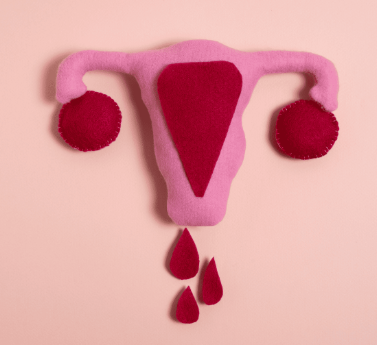
Heavy periods
Heavy periods, also known as heavy menstrual bleeding, occur when menstrual bleeding is unusually heavy, lasts longer than expected, or interferes with daily activities. They may be caused by hormonal changes, uterine conditions, certain medications, or bleeding disorders. Heavy periods can sometimes lead to iron deficiency and anemia.
On this page
Key facts
- Specialists to consult
About Heavy periods
What are Heavy Periods?
Heavy periods refer to menstrual bleeding that is heavier or lasts longer than usual. This may involve soaking through sanitary pads or tampons frequently, passing large blood clots, or experiencing bleeding that affects everyday activities. Heavy menstrual bleeding can occur occasionally or regularly and may be associated with hormonal imbalances, uterine conditions, or other health problems. Identifying the cause can help guide appropriate treatment.
Common symptoms
Needing to change sanitary pads or tampons more frequently than usual
Menstrual bleeding lasting longer than seven days
Passing large blood clots during menstruation
Bleeding that interferes with daily activities, work, or sleep
Feeling unusually tired or weak
Dizziness or lightheadedness
Shortness of breath during routine activities if anemia develops
Menstrual cramps or pelvic discomfort
Common causes
Hormonal imbalances
Uterine fibroids or polyps
Adenomyosis or endometriosis
Thyroid disorders
Bleeding disorders
Certain medications, including blood thinners
Copper intrauterine devices (IUDs)
Pregnancy-related complications, which may cause bleeding that is mistaken for a period
Other uterine or reproductive health conditions
Care at home
Track menstrual dates, bleeding duration, and how frequently you change sanitary products.
Drink enough fluids and eat iron-rich foods such as leafy green vegetables, beans, lentils, and fortified cereals.
Include vitamin C-rich foods to support iron absorption.
Get adequate rest if you feel tired or weak.
Use pain-relief medicines only after checking whether they are suitable for you; some medicines can increase bleeding.
Avoid taking hormonal medicines or treatments to reduce bleeding without medical advice.
Arrange a medical assessment if heavy bleeding recurs or affects daily activities.
When to consult a healthcare professional
Menstrual bleeding lasts longer than seven days.
You regularly need to change a pad or tampon every one to two hours.
You pass large blood clots or experience bleeding that disrupts daily activities.
You feel unusually tired, weak, dizzy, or short of breath.
Heavy periods are new, worsening, or accompanied by persistent pelvic pain.
You experience bleeding between periods or after menopause.
Seek urgent medical care if you soak through approximately one pad or tampon per hour for two consecutive hours, particularly if bleeding continues or you feel unwell. Seek emergency care for heavy bleeding accompanied by fainting, severe dizziness, chest pain, or difficulty breathing. If pregnancy is possible, heavy bleeding with severe abdominal pain or fainting also requires urgent assessment.
Medicines for Heavy periods
Prices for Alappuzha
No medicines for Heavy periods in Alappuzha yet.
PharmacyThis information is for awareness only. Talk to a doctor before starting or stopping any medicine.