

Thyroid problems
A thyroid problem occurs when the thyroid gland produces too much or too little thyroid hormone, affecting metabolism, energy levels, heart rate, and body temperature. Common thyroid conditions include hypothyroidism and hyperthyroidism. Symptoms and treatment depend on the specific condition.
On this page
Key facts
- Specialists to consult
About Thyroid problems
What is a Thyroid Problem?
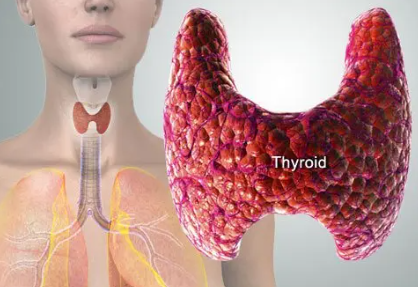
A thyroid problem is a condition that affects the thyroid gland, a small, butterfly-shaped gland located at the front of the neck. It produces hormones that help regulate the body's metabolism, growth, and energy use. Hypothyroidism occurs when the gland produces too little hormone, while hyperthyroidism occurs when it produces too much. Thyroid disorders can often be managed with appropriate medical care and monitoring.
Common symptoms
Unexplained weight gain or weight loss
Fatigue or changes in energy levels
Increased sensitivity to cold or heat
Hair thinning or hair loss
Dry skin
Changes in heart rate or palpitations
Constipation or frequent bowel movements
Mood changes, anxiety, or difficulty concentrating
Irregular menstrual periods
Swelling in the neck
Common causes
Autoimmune conditions, such as Hashimoto's thyroiditis or Graves' disease
Iodine deficiency or, in some cases, excessive iodine intake
Thyroid inflammation
Thyroid nodules or enlargement of the thyroid gland
Certain medicines or medical treatments
Previous thyroid surgery or radiation treatment
Pregnancy-related hormonal changes
Care at home
Take prescribed thyroid medicines consistently and follow your healthcare professional's instructions.
Attend recommended blood tests to monitor thyroid hormone levels.
Maintain a balanced diet with adequate nutrients.
Avoid taking iodine supplements or thyroid-support products without medical advice.
Inform your healthcare professional about supplements, especially calcium and iron, because they can interfere with the absorption of some thyroid medicines.
Maintain regular physical activity, adequate sleep, and healthy stress-management habits.
Do not stop or adjust thyroid medication without medical guidance.
When to consult a healthcare professional
You experience persistent fatigue, unexplained weight changes, or unusual sensitivity to heat or cold.
You notice swelling in the neck or difficulty swallowing.
You have persistent palpitations, tremors, or changes in menstrual periods.
Thyroid test results are abnormal or symptoms continue despite treatment.
You are pregnant, planning pregnancy, or become pregnant while being treated for a thyroid condition.
Medicines for Thyroid problems
Prices for Alappuzha
No medicines for Thyroid problems in Alappuzha yet.
PharmacyThis information is for awareness only. Talk to a doctor before starting or stopping any medicine.